
Metabolism and elimination
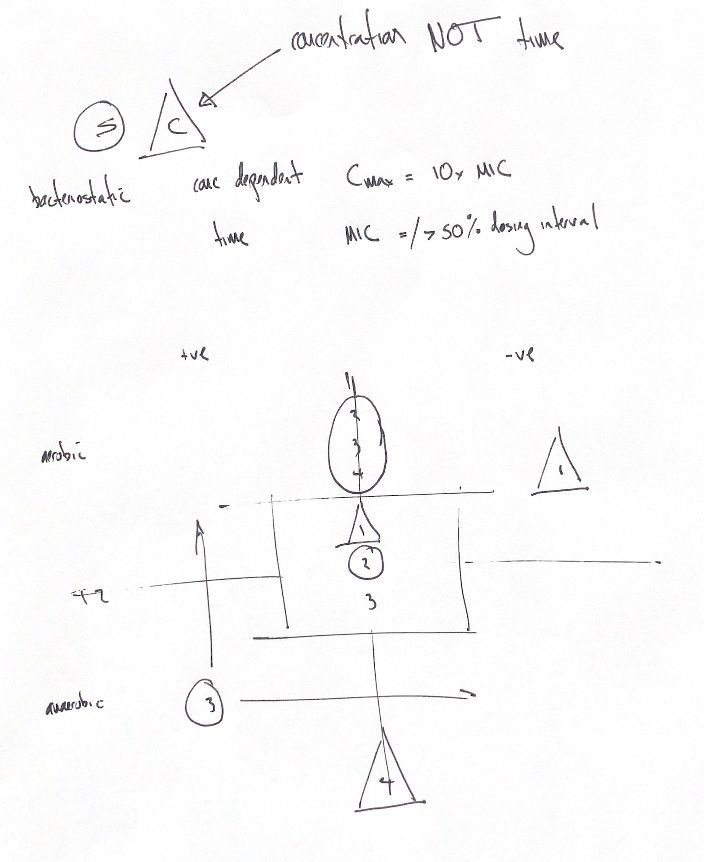
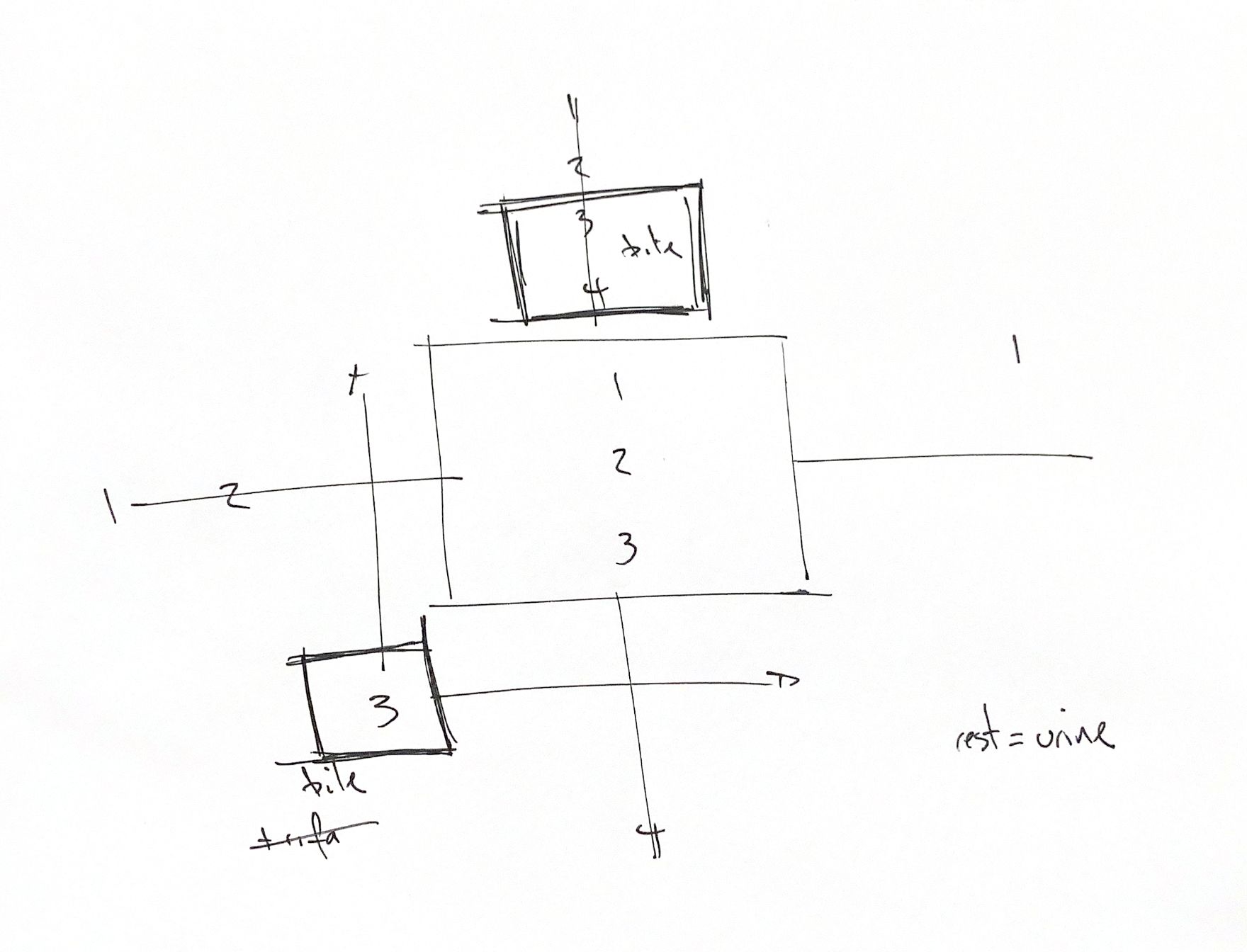
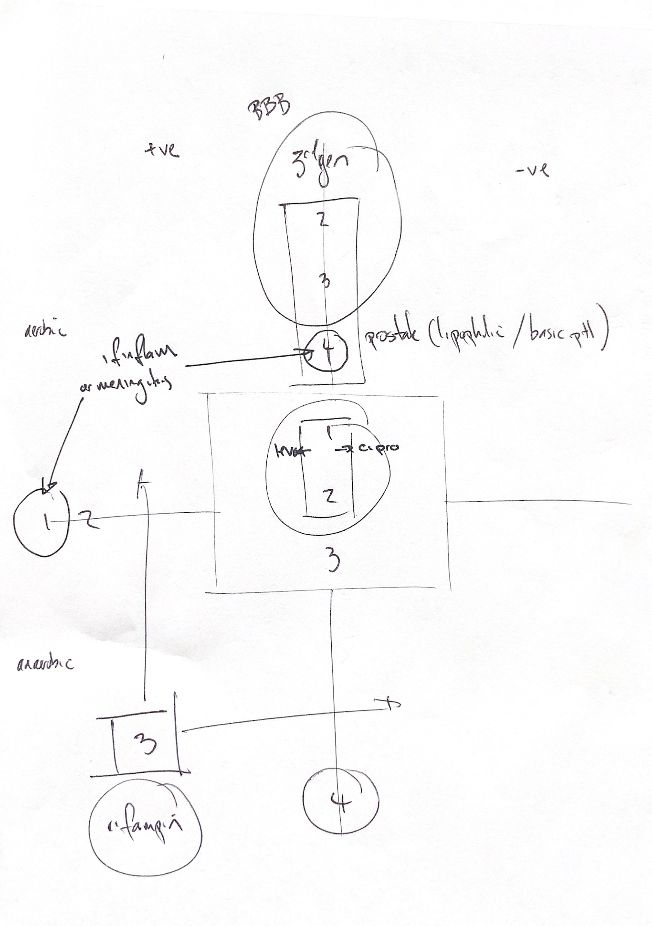
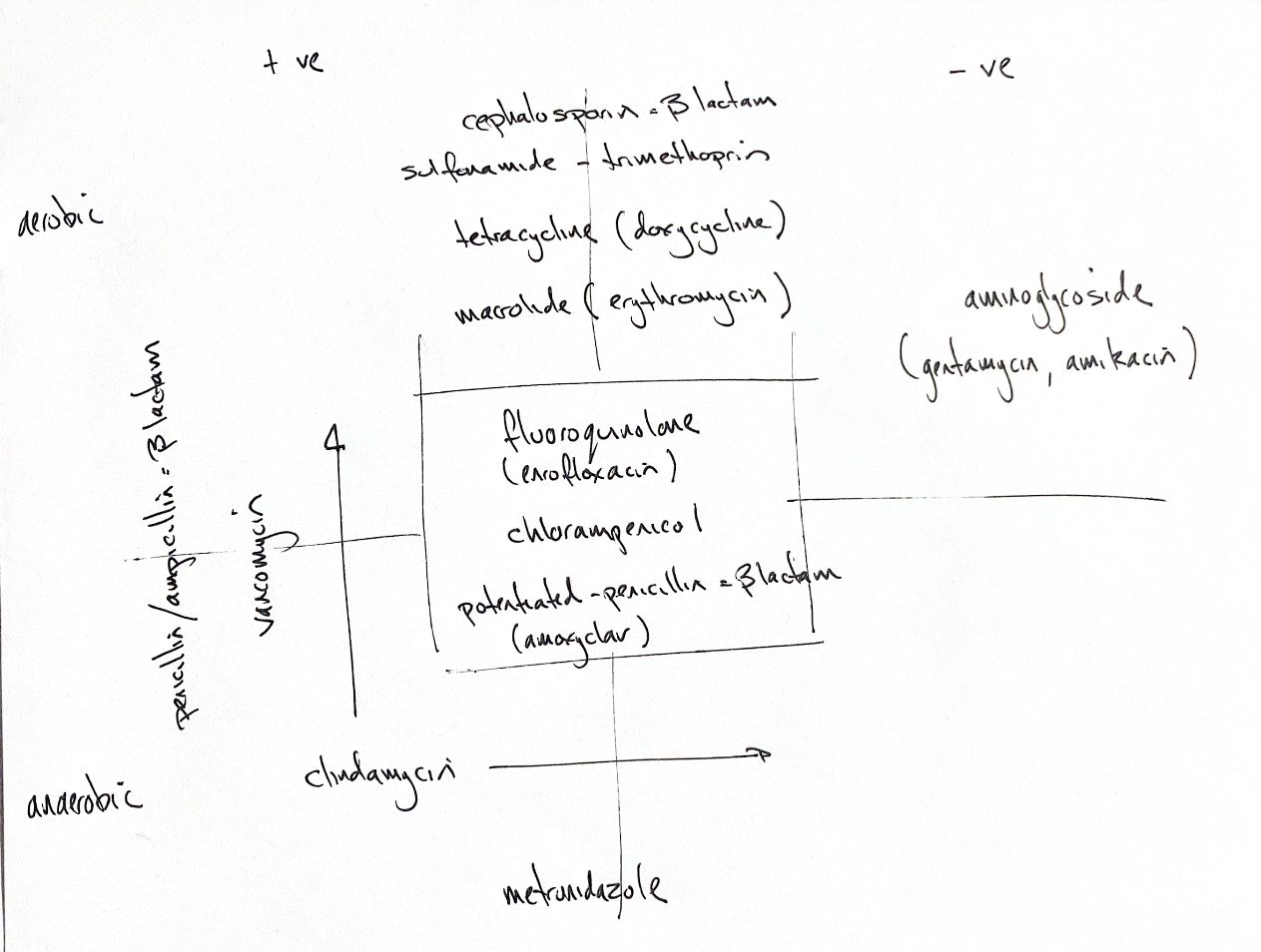
Read the draft explanation
Once a drug enters the body, where does it go?
Macrolides, tetracyclines and clindamycin are grouped with bile on the map. Within the tetracycline family, the route varies. Minocycline has important biliary elimination. Older tetracyclines also have substantial renal elimination. In dogs, doxycycline leaves mainly through the intestine into faeces. Most passes through intestinal cells rather than bile. Clindamycin and its metabolites can leave through both bile and urine.
Renal excretion is important for penicillins and ampicillin, amoxicillin–clavulanate, most cephalosporins, aminoglycosides and systemically absorbed vancomycin. That includes IV vancomycin; oral absorption is poor. TMP–sulfonamides, many fluoroquinolones and older tetracyclines also have a renal contribution. The balance varies with the drug and species.
Urinary excretion can follow liver metabolism. Chloramphenicol is extensively metabolised in the liver. Much of the drug recovered in urine is metabolite. Smaller amounts leave unchanged, and bile also contributes. Metronidazole is also extensively metabolised in the liver. Both parent drug and metabolites leave through renal and biliary routes. Some enrofloxacin becomes ciprofloxacin, an active metabolite. Both renal and biliary routes contribute to its elimination.
Metabolism changes the molecule. Excretion removes the parent drug or its metabolites. Both matter when liver or kidney function changes. Finding drug in urine tells us where it leaves; tissue exposure needs a separate assessment.
References
Chris Wood's elimination map; Merck Veterinary Manual, Antimicrobial Drug Factors for Animals; Tetracyclines Use in Animals; Phenicols Use in Animals; Nitroimidazoles Use in Animals; Quinolones, Including Fluoroquinolones, for Use in Animals; Lincosamides Use in Animals.