
Overview
Why is breathing harder for some short-nosed dogs?
A short face leaves less room for the tissues inside the nose and throat. Narrow nostrils, a crowded throat and other narrow areas can make it harder to draw air into the lungs.
This is called brachycephalic obstructive airway syndrome, or BOAS. “Brachycephalic” means short-headed. Bulldogs, French Bulldogs, Pugs and Boston Terriers are among the breeds affected.
Several parts of the airway can be affected at once, including the voice box (larynx) and a windpipe that is narrower than normal.
Dogs also use breathing to cool themselves by panting. A narrowed airway can make exercise, warm weather, excitement and sleep more difficult. Loud breathing may be common in a breed, but it does not mean the dog is breathing comfortably.
What can change over time?
Pulling hard against a narrow airway can cause swelling. Tissue around the entrance to the windpipe can be drawn inward, making the opening smaller. Some dogs develop lasting weakness or collapse in this area.
Surgery makes more room for air. Many dogs breathe more easily afterward, but it cannot change the shape of the skull or remove every narrow area.
Signs and symptoms
Signs to watch for at home
- Loud snoring, snorting or harsh breathing, especially while awake.
- Tiring on walks, falling behind or taking a long time to settle afterward.
- More trouble in heat or with excitement.
- Restless sleep, waking suddenly or pauses in breathing during sleep.
- Gagging, retching, trouble swallowing or food coming back up.
Tell the team what your dog can comfortably do on an ordinary day. Short videos of breathing, sleep or a swallowing problem can help. Do not exercise your dog or wait to take a video if breathing is becoming difficult.
Why do stomach and swallowing signs matter?
Reflux means stomach contents flow back into the food pipe, called the oesophagus. You may not see anything come out. Regurgitation is food or fluid coming back into the mouth, often without heaving. Vomiting usually involves retching and belly movements.
These problems can occur alongside BOAS. If food or fluid enters the lungs, it can cause inflammation or a lung infection called aspiration pneumonia. Tell the team about repeated swallowing, lip licking, bringing food up, coughing after meals or any previous pneumonia.
Struggling to breathe, collapse or blue/grey gums needs emergency care. Call your nearest emergency veterinary hospital now.
Diagnosis
What happens at the consultation?
Dr. Wood asks about breathing, walks, sleep, meals and any past breathing crisis. The examination includes the nostrils and body condition (how much body fat your dog carries). The team also reviews previous airway surgery, medicines, chest X-rays and other test results.
See examples of nostril narrowing
These photographs show examples of open and narrowed nostrils in three short-nosed breeds. The surgeon assesses the nostrils alongside the rest of your dog’s airway.
The surgeon assesses breathing while your dog is awake and asks how it changes during normal activity. Home videos help, but cannot replace this examination.
The surgical team reviews recent blood-test results or arranges blood tests before anaesthesia. These tests help identify health problems that could affect the anaesthetic plan.
Checking the throat and chest before surgery
Before surgery, the surgeon examines the soft palate—the soft tissue at the back of the roof of the mouth—and the larynx, or voice box, at the entrance to the windpipe. This laryngeal examination checks how the voice box moves and looks for crowding, tissue pulled into the airway and signs of collapse. Your dog is asleep under anaesthesia for this examination. The team discusses the plan with you beforehand.
The team also takes or reviews chest X-rays (radiographs). These images help the team check the lungs and assess the diameter, or width, of the windpipe (trachea). Some dogs have a windpipe that is narrower than normal, called tracheal hypoplasia. These findings guide the plan for surgery and recovery care.
What is BRisk?
BRisk uses six details about your dog to help the team discuss the risk of serious problems during the hospital stay after airway surgery. Some of those details, including breathing support and temperature, are assessed at hospital admission.
Later research found BRisk was less reliable in French Bulldogs. A low score does not rule out serious problems, so the surgeon uses it alongside your dog’s examination and medical history. It looks at risk around surgery, rather than simply how hard breathing is.
You can leave any unknown calculator answers for the team to confirm.
What is a hiatal hernia?
If reflux or food coming back up is a problem, the team may also investigate the food pipe and stomach. One possible cause is a sliding hiatal hernia.
The diaphragm is the sheet of muscle between the chest and belly. The food pipe passes through an opening in it to reach the stomach. With a sliding hiatal hernia, the top of the stomach moves through that opening into the chest, then may slide back.
This can go along with reflux or regurgitation. Because it can come and go, an ordinary X-ray may miss it. A normal chest X-ray does not rule it out. Chest X-rays are still useful for checking the lungs, including for pneumonia.
Why might moving X-rays help?
A videofluoroscopic swallow study records moving X-ray pictures while your dog swallows food or liquid containing contrast, which shows up on the images. It can help show reflux, a sliding hernia and how food moves through the food pipe.
In one referral study of 67 dogs known to have a sliding hiatal hernia, ordinary X-rays showed it in 36 of 66 dogs examined (55%). Swallowing studies showed it in 36 of 38 dogs examined (95%). The groups were not identical; these figures do not mean either test will find every hernia. Luciani and colleagues, 2022.
Some dogs also need endoscopy: a camera examination of the food pipe and stomach under anaesthesia. Findings from each test are considered alongside your dog’s signs.
Treatment
What does the operation change?
Your dog’s signs and airway examination guide the surgical plan. The operation may include:
Widening the nostrils
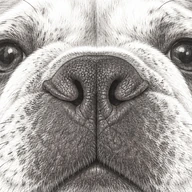
Widening the nostrils allows air to enter more easily.
Shortening the soft palate
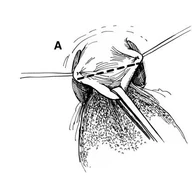
This is the soft tissue at the back of the roof of the mouth. If it is too long, it can crowd the throat.
See the soft palate in the airway diagram.
If the tissues supporting the voice box have weakened or collapsed, routine nostril and palate surgery may not solve all the blockage. The surgical team discusses this risk and whether other treatment could be needed.
Preparing before surgery
For planned BOAS surgery, the surgical team discusses starting omeprazole and metoclopramide seven days beforehand. Omeprazole reduces stomach acid. Metoclopramide helps food move onward from the stomach. The team will give you the doses and times.
Tell the team if food is coming back up, your dog has had pneumonia, or swallowing or breathing has worsened. This may change the plan. You will also receive specific instructions about food, water and medicines before the anaesthetic.
Keeping your dog at a healthy weight, avoiding overheating and using a chest harness rather than pressure on the neck can help with daily comfort. These measures do not remove the narrow areas inside the airway.
What if your dog also has reflux?
Dr. Wood usually treats the airway problem first alongside medicines for reflux, then reassesses. If reflux or regurgitation continues, the next step is to investigate for a sliding hiatal hernia and other swallowing problems. A separate hernia operation is uncommon in Dr. Wood’s practice.
Some dogs need investigation earlier, particularly if they have repeated pneumonia or marked trouble swallowing. Dr. Wood also considers a hiatal hernia earlier in Shar-Peis, which can be born with this problem.
Airway surgery may improve reflux signs, but it does not reliably stop reflux or correct a hernia. If a hernia is confirmed and is causing ongoing problems despite treatment, the surgical team can discuss repair with you.
Aftercare and outcome
Why is hospital monitoring important?
Swelling in the throat can make breathing harder after surgery. The team monitors your dog closely as they wake up and afterward in hospital. Being awake does not mean the risk has passed: regurgitation and breathing problems can start later in recovery.
The team restarts food and water carefully in hospital and checks that your dog is swallowing safely.
Some dogs need oxygen or need the breathing tube used during anaesthesia put back into the windpipe. A serious blockage may need a temporary breathing tube through the neck, called a tracheostomy. Other risks include bleeding, food coming back up, a lung infection called aspiration pneumonia and a longer hospital stay. Serious complications can be life-threatening.
The surgeon plans recovery care around your dog’s breathing, body condition, reflux, history of breathing crises or aspiration pneumonia, and BRisk score.
Why do reflux medicines continue afterward?
Breathing better does not mean the reflux problem has gone away. Dr. Wood usually continues omeprazole for 30 days after surgery to reduce stomach acid. Metoclopramide may also continue to help the stomach empty. Some dogs need a different medicine to help food move through, or a separate medicine for vomiting.
The discharge sheet will tell you which medicines to give, when to give them and how long to continue. Follow that schedule and contact the team if your dog brings food up, cannot keep medicines down or is not eating. Medicines can help, but do not prevent every reflux or regurgitation episode.
What care does your dog need at home?
- Keep your dog cool and calm. Use quiet leash walks and avoid vigorous play or swimming during the first two weeks, unless your discharge plan says otherwise.
- Use a chest harness to avoid pressure on the throat.
- If there are nostril stitches, use the prescribed protective collar to prevent rubbing. Check the nostrils twice a day for increasing swelling, warmth or discharge.
- Give small, frequent meals of canned food or well-soaked kibble for the first two weeks, following the feeding plan. Avoid hard treats and chews while the throat heals.
- Give the prescribed medicines and attend the planned recheck, usually around two weeks.
Call promptly about repeated vomiting or regurgitation, poor appetite, a new cough, a change in breathing, or worsening swelling or discharge around the nostril stitches. Struggling to breathe, collapse or blue/grey gums is an emergency. Call your nearest emergency veterinary hospital now.
What if reflux continues after recovery?
Contact the team about these signs, even if they seem typical for the breed. The team reviews the response to airway surgery and medicines, then decides whether a swallowing study or another test is needed. The timing depends on the signs and how your dog is recovering.
A swallowing study may help show a sliding hernia, reflux or another reason food is not moving normally. If your dog develops pneumonia or marked swallowing difficulty, testing may be needed sooner.
What improvement can you expect?
Many dogs breathe more comfortably and cope better with activity after surgery. Some still snore, struggle in heat or have reflux. A healthy weight and avoiding overheating still matter.
Breathing that remains difficult or gets worse again needs reassessment. Some dogs have narrow areas deeper inside the nose or progressive collapse that was not fully corrected by the first operation.
What does longer-term research show?
One study reassessed 32 dogs several years after surgery. Most had a better breathing grade than before surgery. They were only part of the original group, and dogs that needed a second airway operation were excluded. The results may not apply to dogs that need another airway operation. Johnson and colleagues, 2026 (published online in 2025).