
Tubular toxicity versus the kidney-biopsy context
Read the draft explanation
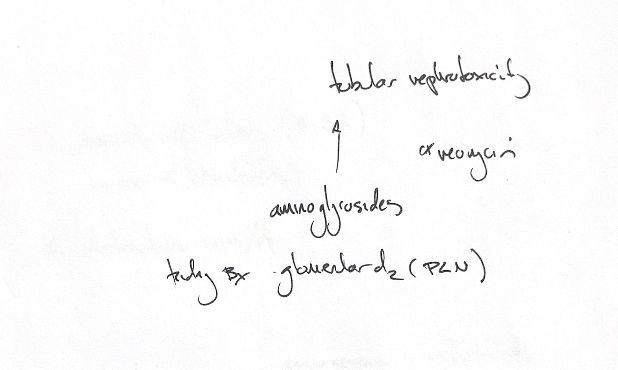
For aminoglycoside toxicity, start at the proximal tubule. The drug accumulates in tubular cells and can injure them. Remember neomycin's nephrotoxicity. As the injury develops, glomerular filtration can also fall. A low filtration rate is therefore compatible with aminoglycoside injury, even though the primary lesion is tubular.
The second part concerns glomerular disease, including protein-losing nephropathy, or PLN. A renal biopsy can help when a specific tissue diagnosis will guide treatment. The decision depends on what the histology could change. Proteinuria or aminoglycoside exposure alone does not make biopsy routine.
References
Chris Wood's renal study drawing; Johnston & Tobias, Veterinary Surgery: Small Animal, 2nd ed., renal-biopsy section, Ch20, citing Vaden 2005; veterinary pharmacology literature on aminoglycoside tubular injury.