
Emergency surgery
Pyometra: an infected uterus
Pyometra is a serious infection in the uterus, or womb. It usually affects females that have not been spayed (had surgery to prevent pregnancy). It can make a dog or cat very unwell and needs urgent veterinary care.
Overview
What happens in pyometra?
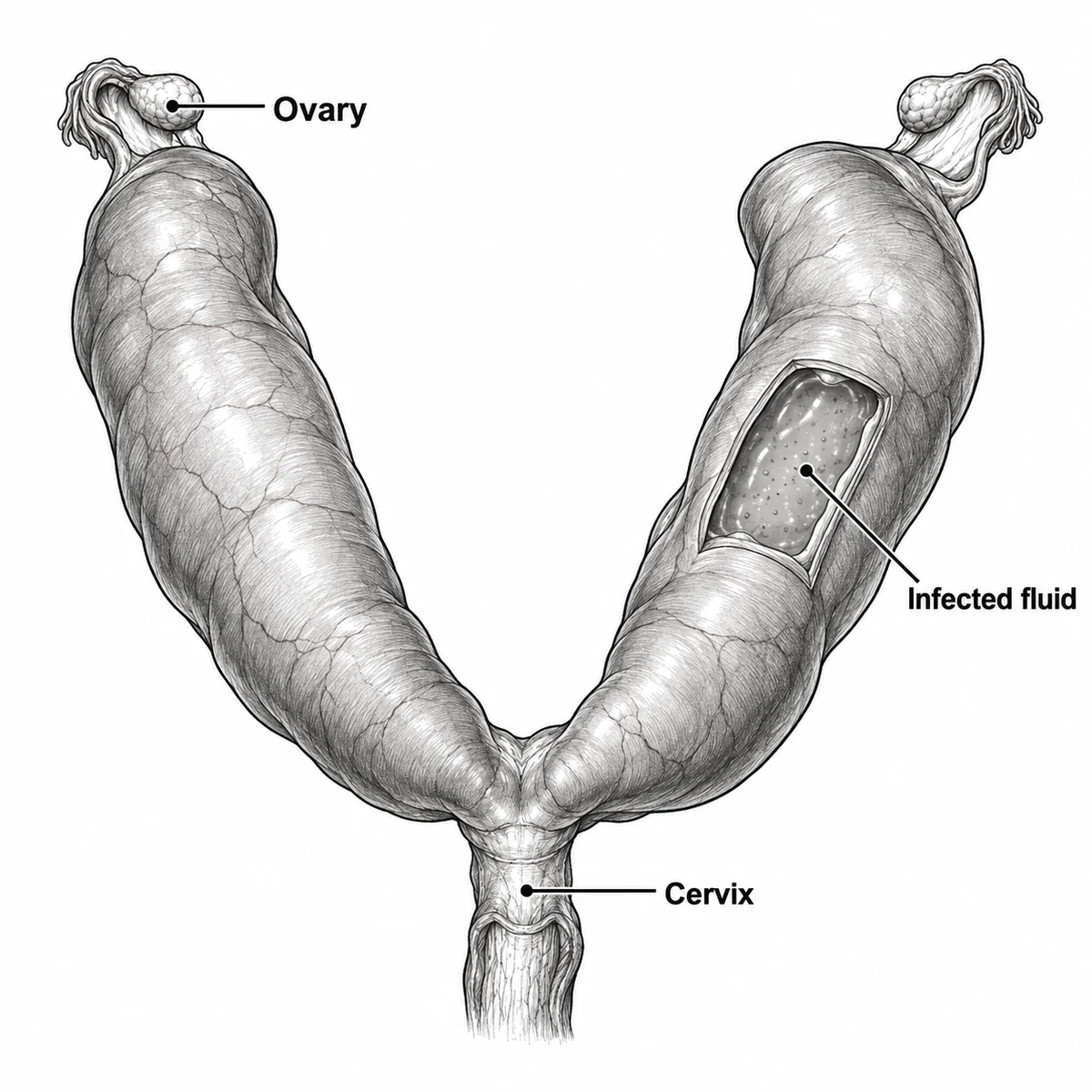
The uterus is where puppies or kittens develop during pregnancy. With pyometra, it fills with infected fluid and pus. Your pet does not have to be pregnant to develop this infection.
A heat, or season, is the part of the reproductive cycle when a female can become pregnant. Hormone changes afterward can make it easier for bacteria to grow in the uterus. The body’s reaction to this infection can affect blood flow and kidney function.
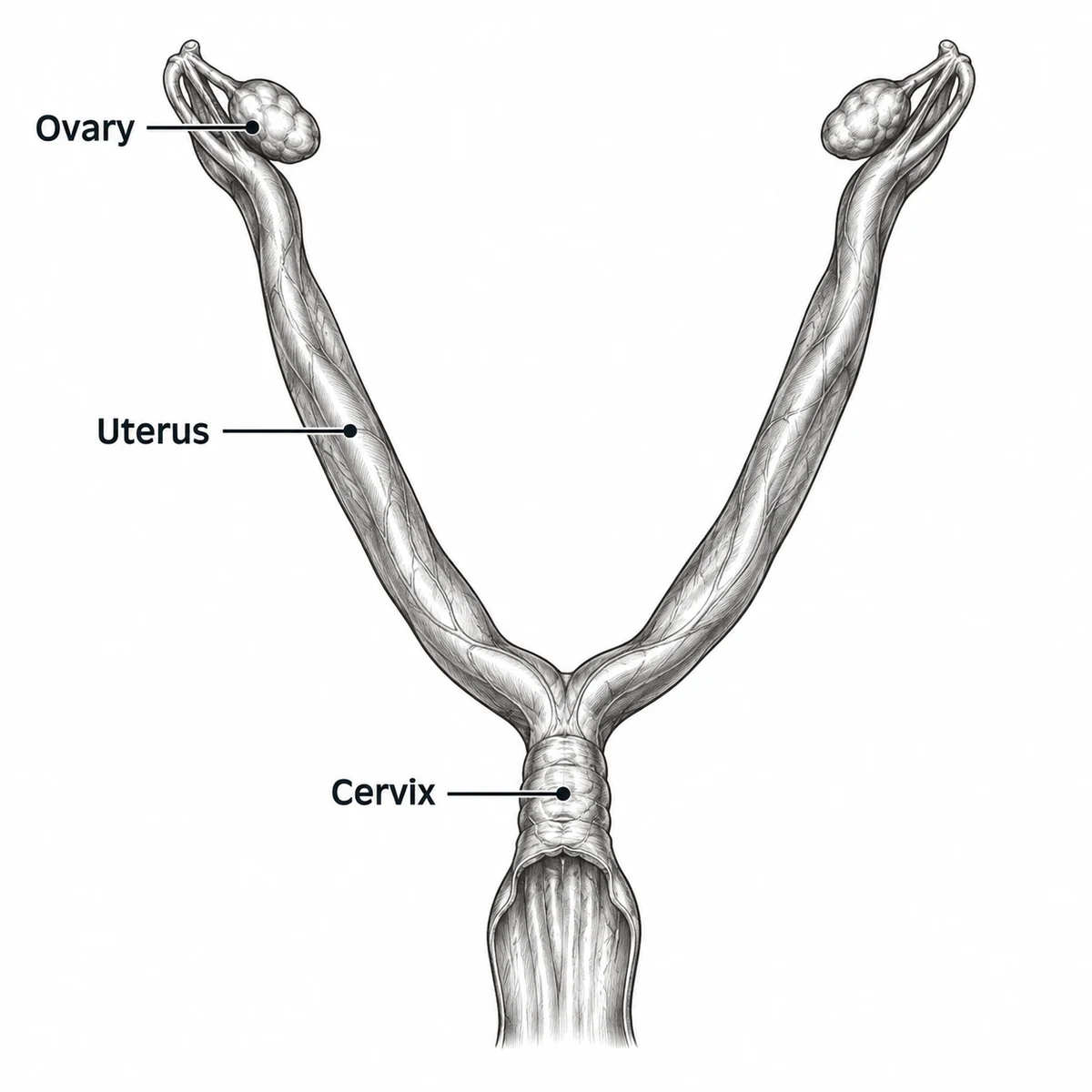
A dog's uterus has two long branches, called horns. In pyometra, these fill with infected fluid and pus.
Normal uterus
Infected uterus (pyometra)
Signs and symptoms
Signs can include tiredness, poor appetite, vomiting, drinking or urinating more, and a swollen belly. Some pets have bloody or pus-like discharge from the vagina.
The cervix is the opening of the uterus. If it is closed, infected fluid cannot drain, so there may be no discharge. Discharge alone also does not show how ill your pet is.
An unspayed dog or cat that is unwell needs prompt assessment. Pale gums, severe weakness or collapse need emergency care.
Diagnosis
The team asks when your pet was last in heat, what has changed and how long she has been unwell. The vet checks for belly pain, dehydration and poor blood flow.
Ultrasound can show an enlarged uterus filled with fluid. X-rays may also help. Blood tests assess the effects of infection, including changes to blood cells, kidney function and body salts.
Your pet’s condition, hydration, blood count and kidney results guide care before surgery. The plan is based on the whole assessment, not just whether the cervix is open or closed.
Treatment
Supporting your pet before surgery
The team gives fluids into a vein and starts antibiotics. These treatments help with dehydration and infection while the team prepares your pet for the operation.
Removing the source of infection
For most pets, surgery is recommended because it removes the infected uterus. The operation also removes both ovaries. General anaesthesia keeps your pet asleep during surgery. She cannot become pregnant afterward.
During surgery, Dr. Wood also collects a urine sample for a culture. This lab test checks for bacteria in the urine.
Why some pets need more intensive care
Removing the uterus treats the source, but your pet may still need care for the effects of the infection. Dehydration and kidney changes can mean more treatment and monitoring. If infected fluid leaks into the belly, it can cause a serious infection around the organs there.
Can pyometra be treated without surgery?
Treatment without surgery is an option for a small number of carefully selected breeding animals under close veterinary care. It is unsuitable for pets with severe illness, and the infection can return.
Aftercare and outcome
Many pets recover well with surgery and treatment for the infection. The outlook depends on how ill your pet is and whether the infection has affected other organs.
Recovery starts in hospital
Removing the uterus does not immediately reverse all the effects of the infection. The team continues to monitor blood flow, fluid needs and kidney function.
Severe infection and organ damage can make recovery more difficult. Some pets need repeat blood or urine tests. Ongoing excessive thirst or urination should be checked.
What you will need to do at home
- Prevent licking with the prescribed collar. Licking can damage the wound and interfere with healing.
- Keep activity quiet while the wound heals, following your pet’s discharge instructions.
- Give prescribed medicines and follow the recheck plan. Ask the discharge team if any part of the home care will be difficult.
When to call
Contact the team promptly about vomiting, poor appetite, worsening pain, ongoing discharge, or a swollen, leaking or opening wound.
Pale gums, breathing difficulty, severe weakness or collapse need emergency care. Call your nearest emergency veterinary hospital now.
Veterinary teams: pyometra referral checklist
Call the receiving hospital to confirm transfer and surgeon availability. Continue stabilization; do not delay transfer for additional tests.
Send available records
- Age, weight, last heat, reproductive/drug history; signs and duration.
- Perfusion, hydration, temperature, urine output and response to treatment.
- Original images and reports.
- CBC, chemistry/electrolytes and urine results.
- Fluids, antibiotics, analgesia and administration times.
Flag suspected rupture, free fluid or sepsis. Dr. Wood collects a urine culture during surgery; collection before referral is not required.
Urine culture and care planning: evidence for veterinary teams
A prospective study found bacteria in the urine of 33% of dogs sampled. A positive culture does not by itself show that the bacteria are causing urinary symptoms.
Dr. Wood collects urine during surgery for culture; a pre-referral sample is not required. Care planning considers the whole patient, including hydration, blood count and kidney results, rather than cervical status alone.
Urine and uterine bacteriology study · Hospitalization predictors
Sources for this guide
ACVS: pyometra · Merck Veterinary Manual: pyometra
Illustration references: University of Minnesota: canine female anatomy · University of Florida Drost Project: normal uterus and pyometra.