Diagnostics before referral
TPLO referral and planning radiographs for Ottawa veterinarians
Owner talking points
Before the owner comes
- TPLO may be discussed when the findings support painful CCL instability; it changes the mechanics of the knee rather than replacing the ligament.
- The surgical plan is confirmed after specialist examination and imaging review.
- Meniscal injury remains a routine concern. A convincing click is useful when present, but absence of a click does not rule out a tear.
- Calibrated radiographs and current preoperative bloodwork are needed before surgery.
- Selected medically suitable dogs may be discharged on the day of surgery, which can reduce hospitalization cost. When local planning radiographs or preoperative bloodwork are being used, coordinate them with the surgery team before surgery day.
- Bilateral single-session TPLO may be considered for the right dog and owner, and requires a mandatory 2-night hospital stay.
Standard TPLO
$4,500-6,000 pre-tax
Approximate invoice average
$5,450 pre-tax
Based on recent recorded standard unilateral TPLO invoices. The final written estimate reflects the individual patient, implants, diagnostics, medications, hospitalization, and case-specific needs.
TPLO with internal brace
$5,800-8,000 pre-tax
Bilateral TPLO, single session
$7,800-10,500 pre-tax
Final estimates may vary with patient size, implants, medications, diagnostics, hospitalization, and case-specific needs.
Planning radiographs
TPLO planning and referral diagnostics
Every TPLO is individually planned from calibrated radiographs using VPOP virtual orthopedic planning software. When appropriate, the surgery team can coordinate with the referring veterinarian to obtain suitable planning radiographs locally; images may still need to be repeated if positioning or calibration is not adequate for the individual plan.
Sedated/anesthetized orthopedic findingsSend if available; awake drawer/thrust can miss CCLD.
- Send sedated or anesthetized orthopedic findings if you have them, especially drawer and tibial thrust.
- Do not treat a negative or equivocal drawer/thrust as ruling out CCLD, especially if the awake exam was painful, tense, or guarded.
- In one study, 40% of dogs with proven CCL failure did not have cranial instability detected on conscious cranial drawer; drawer and thrust testing performed better under anesthesia.
TPLO radiograph quick guideCompanion checklist for planning views.
If taking planning views before referral, sedation or anesthesia is often needed.
- Include a calibration marker.
- Include a left/right marker.
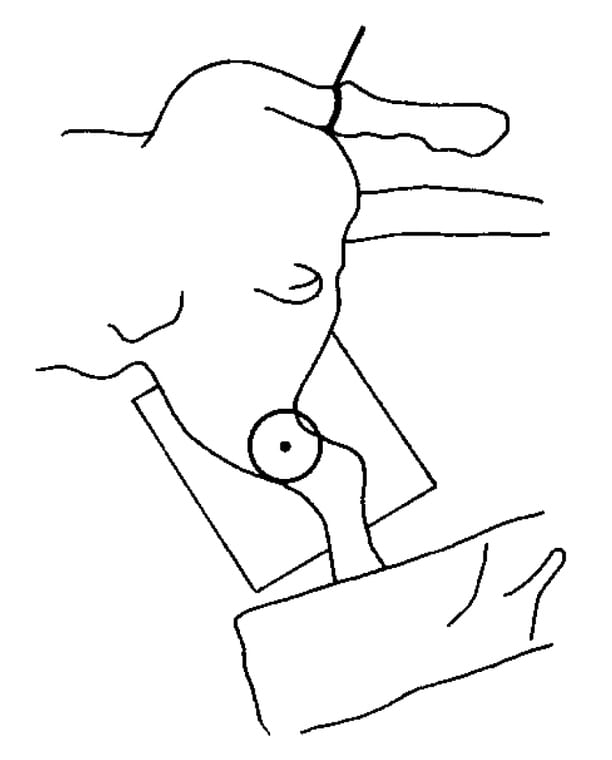
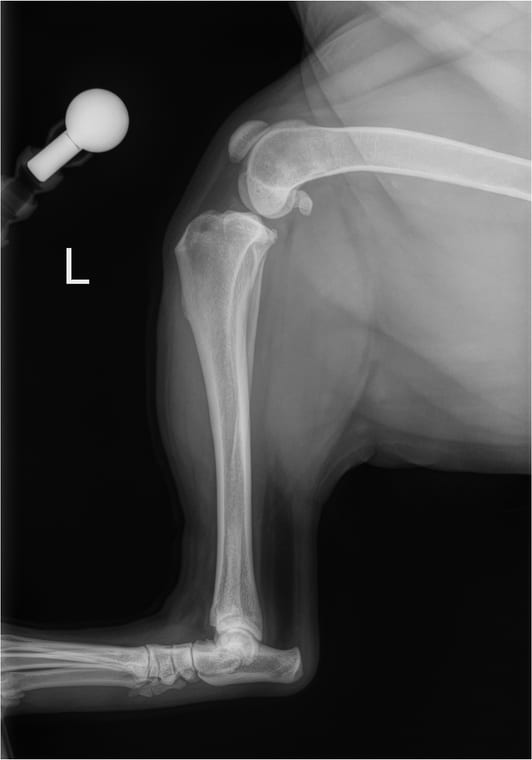
- Stifle and hock near 90 degrees.
- Hock included; beam centered on the stifle/proximal tibia.
- Femoral condyles/fabellae superimposed as well as possible.
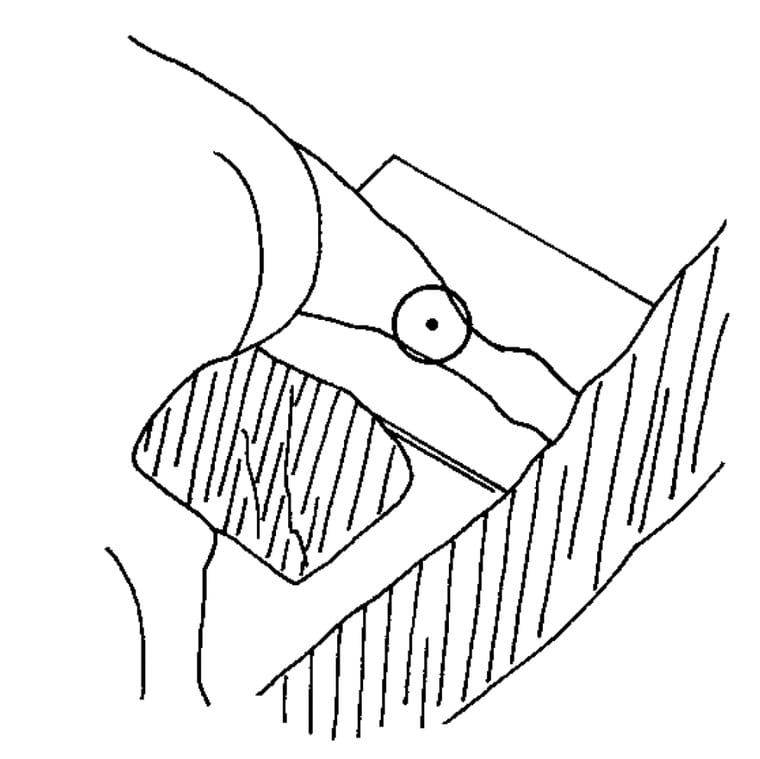
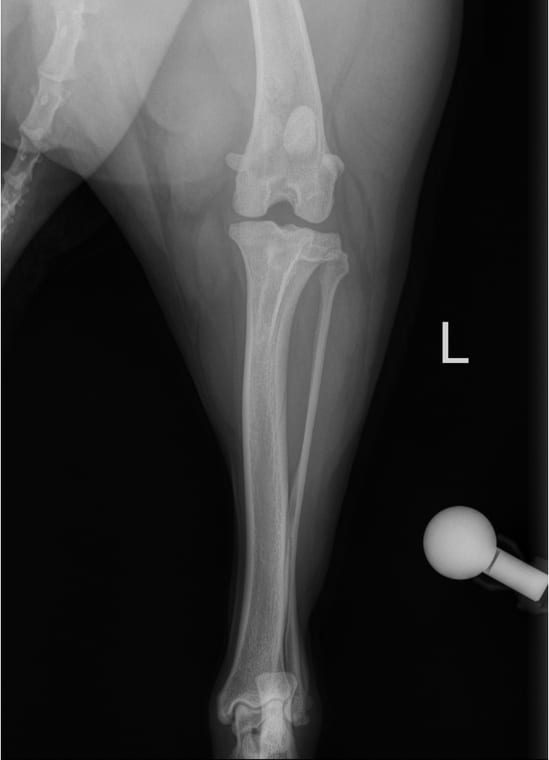
- Limb straight with patella centered.
- Fabellae bisected and hock/calcaneus aligned.
- Stifle, tibia, and hock included.